


VERDICT: WE GAVE 5 OUT OF 5 TICKETS AND HERE’S WHY!
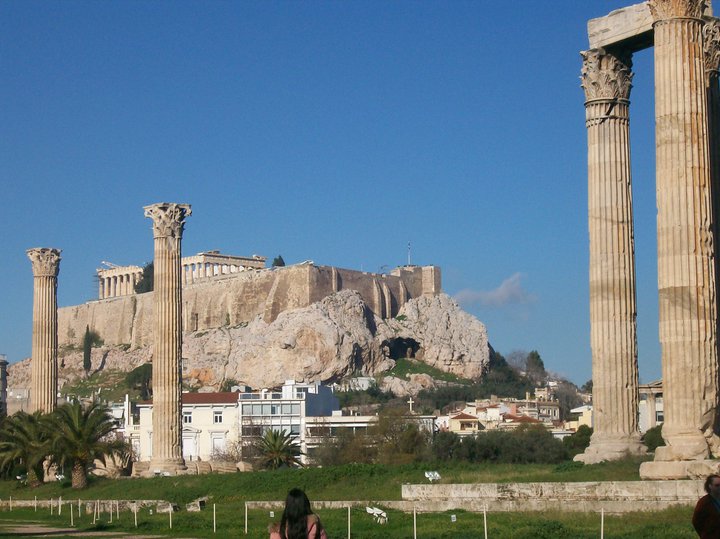
Acropolis – Athens, Greece
Rising above the heart of Athens, the Acropolis is one of the most powerful and recognizable symbols of Western civilization. This ancient citadel has watched over the city for more than two millennia, standing as a testament to Greek innovation, philosophy, art, and democracy. A visit here isn’t just sightseeing, it’s stepping into the foundations of modern history. At the crown of the Acropolis sits the Parthenon, surrounded by temples and structures dedicated to the gods of ancient Greece. As you walk the marble paths, panoramic views stretch across Athens to the sea beyond, blending past and present in a single glance. Few places in the world carry such historical weight and visual impact. The Acropolis is not only Athens’ defining landmark, it’s an essential experience for anyone travelling to Greece.
Greece is sunshine, sea views, and ancient history wrapped into one unforgettable destination. From Athens’ iconic ruins to the cobalt-blue rooftops of Santorini, Crete’s rugged landscapes, and quiet island escapes scattered across the Aegean, Greece offers romance, relaxation, and culture in equal measure. Our Greece guides highlight must-see islands, local food, hidden beaches, and insider tips to help you experience this Mediterranean favourite at its most magical.
Greece is the kind of country that makes you feel like you’re travelling through multiple worlds in one trip: ancient temples and theatres, buzzing modern cities, mountain villages, and islands that look suspiciously like desktop wallpapers. It’s famous for the big hitters (Athens, Santorini, Mykonos), but the real payoff is how easily you can mix history, coast, and food without exhausting yourself.
What keeps travellers coming back is the “choose-your-own-adventure” factor. You can do culture-heavy days in Athens, then swap to island life within hours. You can road-trip the mainland (Peloponnese, Meteora, Delphi), or ferry-hop the Aegean. And the food? Let’s just say Greek salads abroad have a lot of explaining to do once you’ve eaten one in Greece.
Extended Visitor Guide: Greece
Why Greece offers so much
Greece is a travel triple-threat: civilization-level history, island-and-coast scenery, and a daily lifestyle that’s made for people who like long lunches and sunset strolls. It’s also surprisingly flexible: you can build an itinerary around one base (Athens), two bases (Athens + one island), or go full island-hopping without needing a PhD in logistics.
Best time to visit
- April–June: warm, lively, not peak-crowded (excellent for Athens + islands)
- September–October: arguably the best overall (sea still warm, fewer crowds)
- July–August: peak season (hot in Athens; islands busy and pricier)
- November–March: quieter, cooler; great for city breaks and mainland touring
Greece’s top highlights
Athens & Attica
- The Acropolis & Parthenon (iconic and non-negotiable)
- Plaka, Monastiraki, Ancient Agora, Lycabettus Hill
- Acropolis Museum (worth its own feature below)
Mainland “wow” sites
- Delphi (oracle site + mountain scenery)
- Meteora (monasteries perched on rock pillars)
- Epidaurus (theatre acoustics are unreal)
- Mycenae (Bronze Age power centre)
- Olympia (birthplace of the Olympic Games)
- Nafplio (beautiful coastal town base for Peloponnese)
Greek Islands
- Cyclades (Santorini, Mykonos, Naxos, Paros)
- Saronic Gulf (easy from Athens: Hydra, Aegina, Poros)
- Crete (its own “country-sized” island experience)
The traditional military guards in Athens (Evzones)
If you’re in Athens, make time for the Evzones, the elite ceremonial guards in traditional uniform at the Tomb of the Unknown Soldier in Syntagma Square. The slow-motion precision, the stance, and the unmistakable pom-pom shoes make this far more memorable than most “quick photo stop” attractions. There’s real symbolism here: this ceremony is both pageantry and national pride, performed in the city’s most politically important square.
Timing matters. There’s an hourly change daily, but the big one is the formal Sunday ceremony at 11:00 with extra marching and a larger crowd, arrive early if you want a good view.

Feature story: The Acropolis Museum (why it’s essential)
The Acropolis Museum isn’t “a museum you do because it’s raining.” It’s the place that makes the Acropolis make sense. It’s designed to show what was found on the Acropolis and how it originally sat in context, so when you go back up to the Parthenon, you suddenly understand what you’re looking at.
Two standout reasons it’s special:
- The museum incorporates the archaeological excavation beneath it, visible through glass flooring and viewing areas, so you’re literally walking over an ancient neighbourhood.
- The top-floor Parthenon Gallery is oriented to match the Parthenon’s layout and alignment, creating a direct architectural “conversation” with the monument itself.

Admission costs and best times to go
- Acropolis of Athens (official ticket): €30 full / €15 reduced
Best time: right at opening or late afternoon; avoid midday heat/crowds. - Acropolis Museum: €20 Acropolis Museum
Best time: midday (air-conditioned), or Friday late opening for a calmer feel. Acropolis Museum
Island hopping from Athens (top 3 islands + history)
Athens is one of Europe’s easiest capitals for island-hopping because ferries and hydrofoils leave from Piraeus and you can reach islands quickly, perfect if you want island scenery without moving hotels constantly.
1) Aegina, temples and old-school island life
Aegina is the “closest taste of Greek island life” from Athens, and it comes with a serious historical flex: the Temple of Aphaia, a beautifully preserved Doric temple dating to around 500 BCE.
Why go: culture + easy beaches + food (and yes, pistachios).
How long it takes: ferries can be very quick, often as little as ~30 minutes depending on vessel. Recommend: Ferryhopper
2) Hydra: the car-free icon with war-of-independence history
Hydra is famous for being car-free (you’ll see donkeys, boats, and a lot of walking), and it played an important role in the Greek War of Independence—you can feel the history in the harbour mansions and museums.
Why go: harbour beauty, swimming spots, hikes, culture, without traffic noise.
3) Poros, piney, scenic, and quietly historic
Poros is a compact, green Saronic Gulf island pair that has long been linked with maritime history. It’s also known historically as an important naval base area, and it’s a classic weekend escape for Athenians.
Why go: relaxed waterfront town, viewpoints, easy swims, and that “local getaway” vibe.
Top 5 day trips in Greece
- Delphi (from Athens): sanctuary of Apollo + mountain scenery
- Meteora (from Thessaly base or long day tour): monasteries on rock towers
- Nafplio + Epidaurus (from Athens): gorgeous town + ancient theatre
- Mycenae + Corinth Canal (from Athens): Bronze Age ruins + quick photo-stop canal
- Aegina / Hydra / Poros (from Athens): island day without changing hotels
Top 3 hotels in Greece (signature stays)
These are “anchor” hotels that are consistently recognised at the top end:
- Hotel Grande Bretagne (Athens): classic landmark in the city centre (Syntagma Square). MICHELIN Guide+1
- Four Seasons Astir Palace (Athens Riviera): resort-style luxury on the coast outside Athens. MICHELIN Guide+1
- Canaves Oia Suites (Santorini): cliffside suites with caldera views in Oia. MICHELIN Guide
Top 3 restaurants in Greece (best-of-the-best)
- Delta (Athens): Two MICHELIN Stars; modern Greek/creative. MICHELIN Guide+1
- Spondi (Athens): One MICHELIN Star; haute dining with long-running reputation. MICHELIN Guide+1
- Botrini’s (Athens): One MICHELIN Star; Mediterranean/Greek-led fine dining. MICHELIN Guide+1
With every trip, we offer feedback to travel companies along with honest views for you, the reader. We rate adventures on a scale of one to five tickets, judged on quality, service, memorability, and price. A perfect ‘Ticket Rating’ of a five-ticket score means the experience was flawless and we’d eagerly return. Your desire to go back is the ultimate measure of a trip’s worth. Exclusive to My Return Ticket.